Keep The Whole System In View
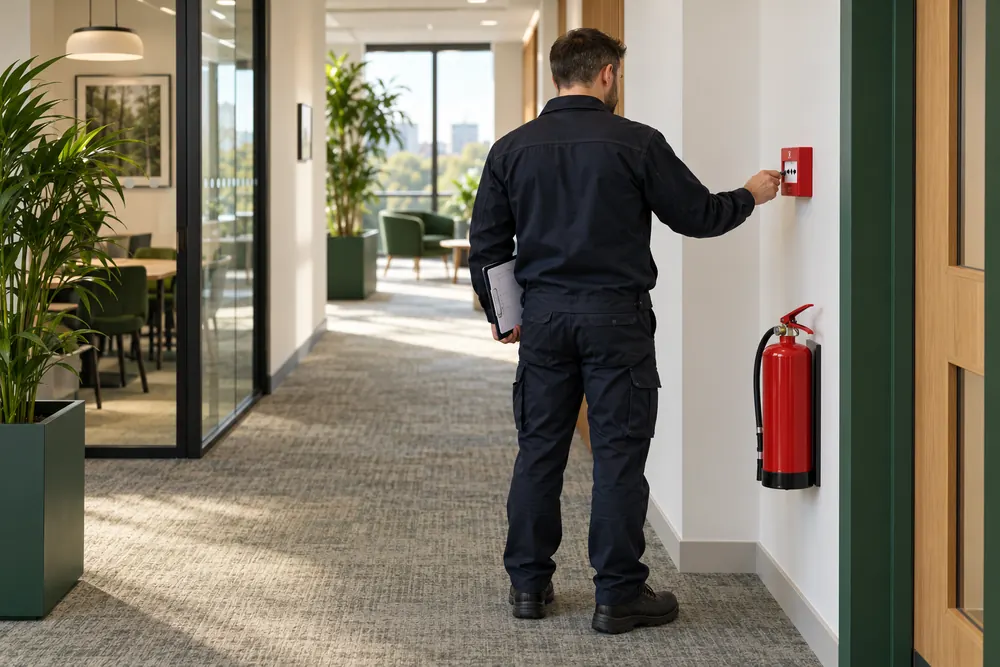
Fire alarm maintenance is about the performance of the system in use, including detectors, call points, sounders, power supplies and relevant interfaces. A healthy-looking control panel cannot tell you whether every part of the building receives suitable warning.
We help facilities managers and commercial landlords in Leeds scope servicing around the equipment they actually have. Include system records, known faults and changes to the building, so a visit addresses more than the date on a service label.
Planned maintenance and routine user checks serve different purposes. Your staff’s checks can identify issues between visits, while competent servicing examines the system more deeply and records defects and any limitations.
When To Review Your Maintenance Arrangements
A change in managing agent, a new tenant or an inherited alarm system is a useful point to review the maintenance scope. Establish who is responsible for the shared system, who can access the panel and who receives fault reports.
Repeated false alarms deserve investigation rather than repeated resets. Note the device or zone, time, activity and environmental conditions, then discuss whether the cause relates to contamination, detector selection, building work or another issue.
Changes to partitions, storage or occupancy can affect the system even when no fault light appears. Maintenance should flag concerns, but a material change in the required coverage may need a separate design review.
Fire Safety Duties And Technical Guidance
Appropriate fire precautions must be kept in working order under the Regulatory Reform (Fire Safety) Order 2005. BS 5839-1:2025 provides the current technical code of practice for commercial fire detection and alarm systems.
Government guidance describes periodic inspection and testing by a competent person alongside routine user checks. The servicing programme should reflect the system, risk and current recommendations rather than being chosen purely for administrative convenience.
Competence should match the installed equipment and the work being carried out. A service contract should explain what the provider can support, particularly where proprietary software or specialist access is required.
How A Planned Visit Works
Before the visit, share the logbook, previous service report, device schedule and any outstanding faults. Agree access to tenant areas, secure rooms and high-level equipment, and identify who can authorise isolations.
Testing must be coordinated with occupants and any alarm receiving centre. Interfaces such as door release or plant controls need a managed test and a clear record of what was checked or excluded.
At completion, record the state of the system, work undertaken and any defects. Confirm that isolations have been removed and that monitoring and normal operation have been restored before the engineer leaves the agreed working area.
Managing Defects And False Alarms
A useful service report distinguishes a failed device from a limitation in access and from a concern about design. Ask what action is required, what temporary measures need consideration and whether a further visit or specialist input is necessary.
Keep repair approvals and completed work linked to the original finding. A report marked with recommendations is not evidence that the recommendations have been carried out.
If the system is unsuitable for a changed layout, an alarm installation or alteration project may be needed. Feed significant findings back into your fire risk assessment and building management plan.
What Affects Maintenance Costs
The number and type of devices, system complexity, access arrangements and availability of records all influence the maintenance proposal. Multiple buildings, restricted working windows and specialist interfaces can change the time required.
Check what planned visits cover and what is charged separately. Replacement parts, remedial labour, emergency attendance, monitoring and access equipment may have different terms, so ask for those terms before comparing prices.
Include the panel details, approximate device count, last service date and any persistent fault in your enquiry. If records are missing, say so, because establishing the asset information may require additional survey work.
Useful Answers
Fire Alarm Maintenance Questions
Does Weekly Testing Replace Fire Alarm Servicing?
Weekly fire alarm testing does not replace competent inspection and servicing. User testing helps identify obvious problems and keeps staff familiar with the arrangements, while servicing covers a wider inspection and test programme. Keep both types of record, and follow the agreed routine for the actual system and premises.
Can You Take Over An Existing Alarm System?
Fire alarm maintenance for an existing system starts with its make, model, condition and available records. Access to parts, software and technical support may affect whether a provider can take it on. Share the latest service report and known faults so any takeover survey or exclusions can be clearly agreed.
What Should We Do About A Persistent Fault?
A persistent fire alarm fault should be recorded and referred to a competent service provider without relying on repeated resets. Identify the panel indication and any recent work, then consider the effect on protection with the responsible person. Agree suitable temporary precautions and track the repair through to documented completion.